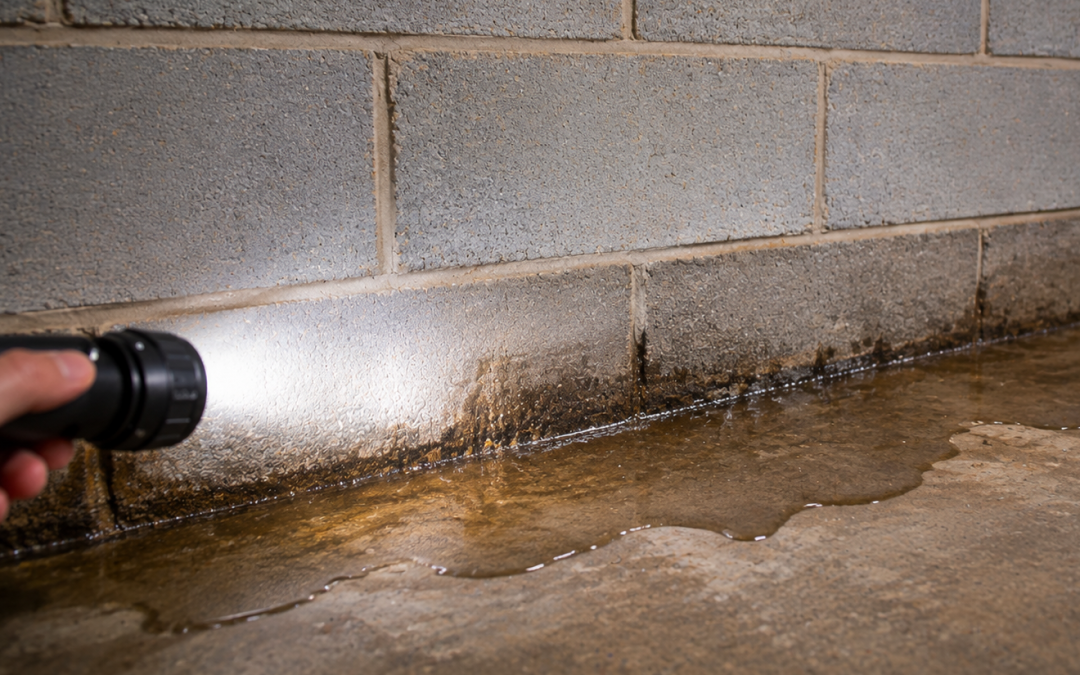
Basement waterproofing is a common and serious issue for homeowners, particularly in areas with heavy rainfall, high water tables, or clay-rich soils. The primary cause of these problems is hydrostatic pressure—the force created when groundwater builds up in the soil surrounding a home’s foundation. As the soil becomes saturated, water has nowhere to go and begins pressing against the basement walls and floor. This constant pressure seeks the path of least resistance, forcing moisture and water through cracks, joints, porous concrete, and other vulnerable areas.
Over time, even small amounts of water intrusion can lead to significant consequences. Homeowners may notice damp walls, puddles on the basement floor, musty odors, peeling paint, or white chalky residue known as efflorescence. Left unaddressed, these issues often escalate into more serious problems such as mold and mildew growth, damage to stored belongings, rotting framing materials, and deterioration of the foundation itself. In severe cases, prolonged water exposure can compromise structural integrity and reduce the overall value of the home.
Understanding Hydrostatic Pressure and Its Impact
Hydrostatic pressure increases whenever groundwater accumulates around the foundation. Poor soil drainage, clogged or missing footing drains, improper grading, or aging waterproofing materials all contribute to this buildup. As pressure rises, water exploits natural weak points, including:
- Floor-to-wall joints
- Shrinkage cracks in poured concrete
- Block wall mortar joints
- Utility penetrations
- Older or failing foundation materials
Because hydrostatic pressure is a constant force, simply sealing visible cracks or applying surface coatings is rarely a long-term solution. Without addressing the underlying water pressure, moisture will continue to find new entry points.
Why Drain Tile Systems Are So Effective
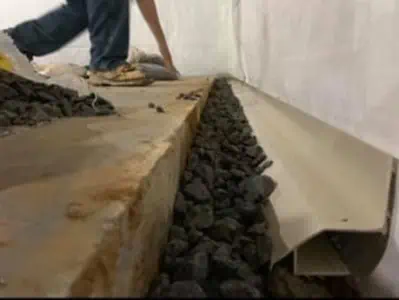
A properly installed basement waterproofing system is the most effective way to control hydrostatic pressure and prevent basement water problems. Drain tile—also known as a perimeter drainage system—works by collecting groundwater at the foundation level and redirecting it away before it can enter the basement.
Installed along the footing, drain tile intercepts rising groundwater and channels it to a sump pump or gravity discharge system. By relieving pressure beneath and around the foundation, the system prevents water from pushing through walls and floors. This not only keeps the basement dry but also reduces long-term stress on the foundation structure.
The benefits of a drain tile system include:
- Reduced hydrostatic pressure
- Consistent water control during heavy rain
- Protection against future leaks
- Preservation of foundation stability
- A healthier, drier basement environment
Interior Waterproofing: The Ideal Solution for Existing Homes
For existing homes, interior basement waterproofing systems are often the most practical and reliable choice. While exterior waterproofing can be effective in certain situations, it typically requires extensive excavation around the foundation. This process is expensive, time-consuming, and often limited by obstacles such as patios, decks, driveways, sidewalks, landscaping, and neighboring structures.
Interior waterproofing systems eliminate these challenges by providing full access to 100% of the foundation walls from inside the basement. This allows for a comprehensive solution that addresses water intrusion at its entry points without disturbing the exterior of the home.
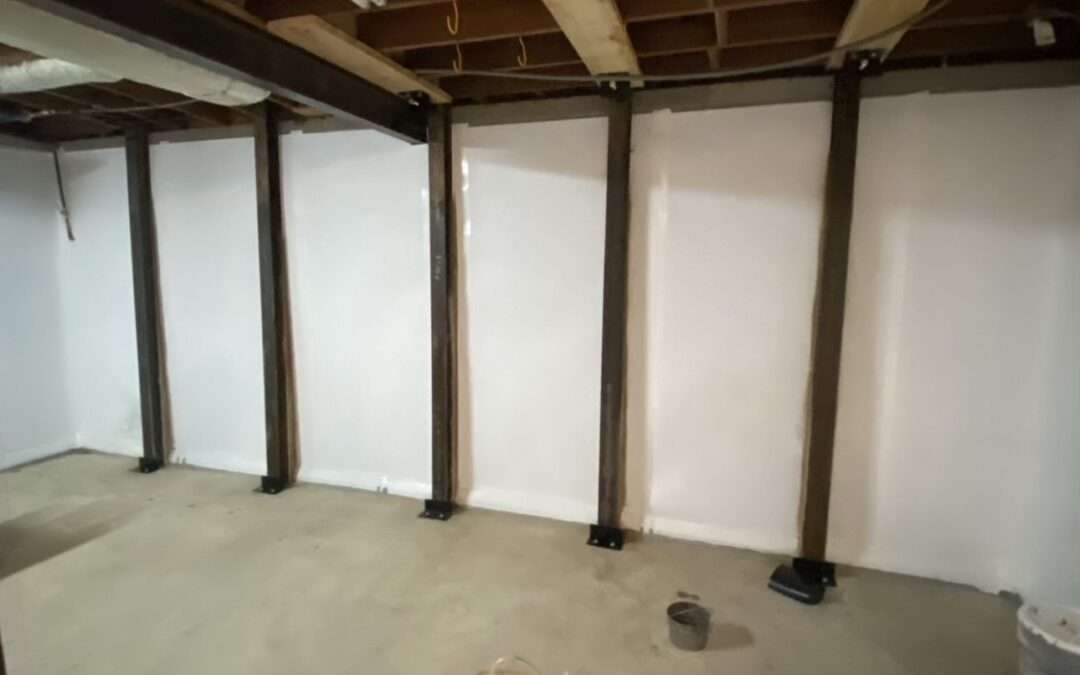
An interior system typically includes:
- Interior perimeter drain tile
- A sump pump system to remove collected water
- Wall drainage materials to guide moisture downward
- Vapor barriers to manage humidity
Cost-Effective, Safe, and Minimally Disruptive
One of the biggest advantages of interior waterproofing is its cost-effectiveness. Because it avoids heavy excavation and restoration of landscaping or hardscapes, interior systems are significantly less expensive than exterior waterproofing. Installation is also much faster, often completed in just a few days, minimizing disruption to the homeowner’s routine.
Interior waterproofing is also safer for the home. Deep excavation around a foundation carries risks, especially for older structures. Interior solutions avoid these risks while still delivering long-term protection. Additionally, interior systems are easier to inspect, maintain, and upgrade over time.
For most homeowners, interior waterproofing offers:
- Long-term water management
- Reliable performance in all weather conditions
- Improved indoor air quality
- Increased usable basement space
- Enhanced home value and peace of mind
A Practical, Long-Term Solution
Interior basement waterproofing provides a durable, efficient, and proven solution for protecting homes from water damage caused by hydrostatic pressure. By controlling groundwater at the foundation level and safely redirecting it away from the home, these systems address the root cause of basement water problems—not just the symptoms.
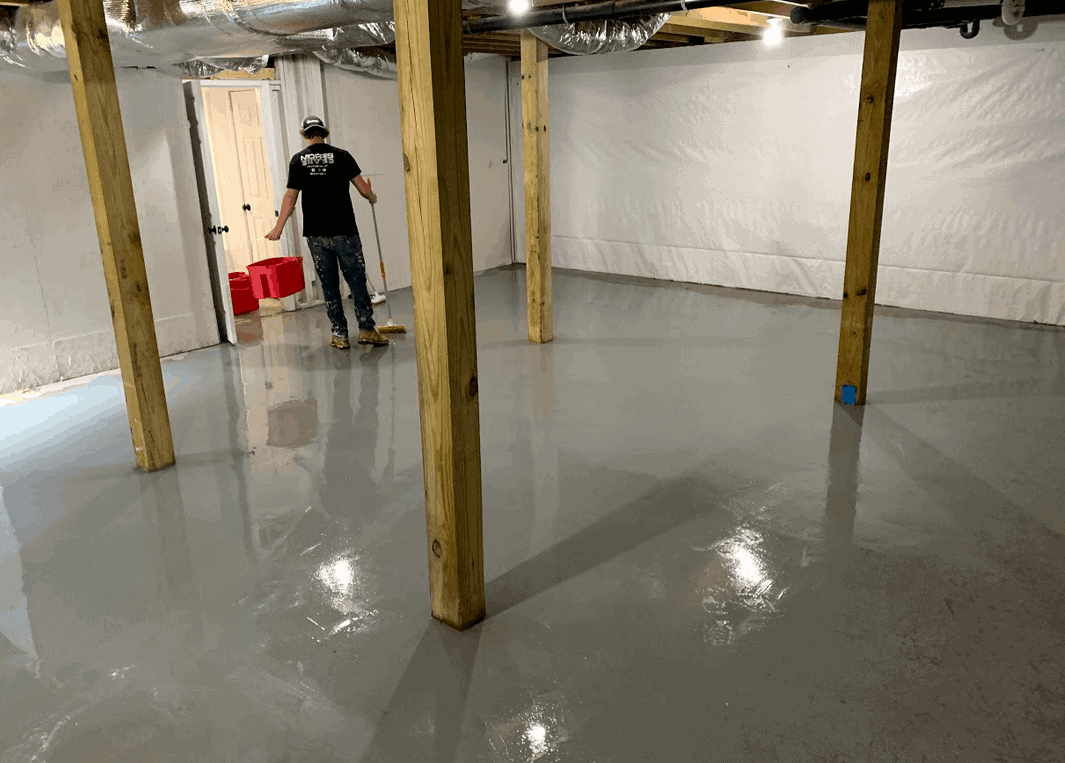
When combined with proper drainage, sump pump systems, and moisture control strategies, interior waterproofing ensures a dry, healthy basement year-round. For homeowners dealing with leaks, dampness, or recurring water issues, investing in a professional interior waterproofing system is one of the smartest decisions they can make to protect their home for the long term.
If you’d like, I can:
- Optimize this for SEO keywords (basement waterproofing, drain tile, hydrostatic pressure)
- Add a strong call-to-action for The Waterproof Group
- Adjust tone to be more sales-focused or educational
- Localize it for Georgia or your service area
Just tell me 👍